Proven Health Benefits of Walnuts, How Many to Eat, and More (Science Based)

Walnuts are among the most nutritious seeds that grow on the walnut tree. These small yet powerful foods are packed with antioxidants, healthy fats, vitamins, and essential minerals that support overall health. Including a few walnuts in your daily diet may help improve brain function, strengthen heart health, and even promote healthier skin.

Raw walnuts are especially beneficial because they provide a rich supply of omega-3 fatty acids, plant compounds, and nutrients such as iron, selenium, vitamin E, and several B vitamins. Many nutrition experts recommend eating a small handful of walnuts every day to help maintain optimal health.

Scientific studies have also shown that walnuts may help reduce LDL cholesterol (often called “bad cholesterol”), support healthy blood pressure levels, and improve blood vessel function. Their high antioxidant content helps reduce oxidative stress and inflammation in the body. Interestingly, some research suggests that measurable health benefits can appear just a few hours after consuming walnuts.

In this article, we will explore why walnuts are considered one of the healthiest nuts you can eat and how they may benefit different areas of your health.


What Exactly Are Walnuts?

Walnuts come from trees belonging to the Juglans genus and are grown in many temperate regions around the world. The walnut itself is technically the seed of a fruit that grows inside a hard shell.

There are several types of walnuts, but the most common varieties include:

  • Persian walnuts

  • English walnuts

  • Black walnuts

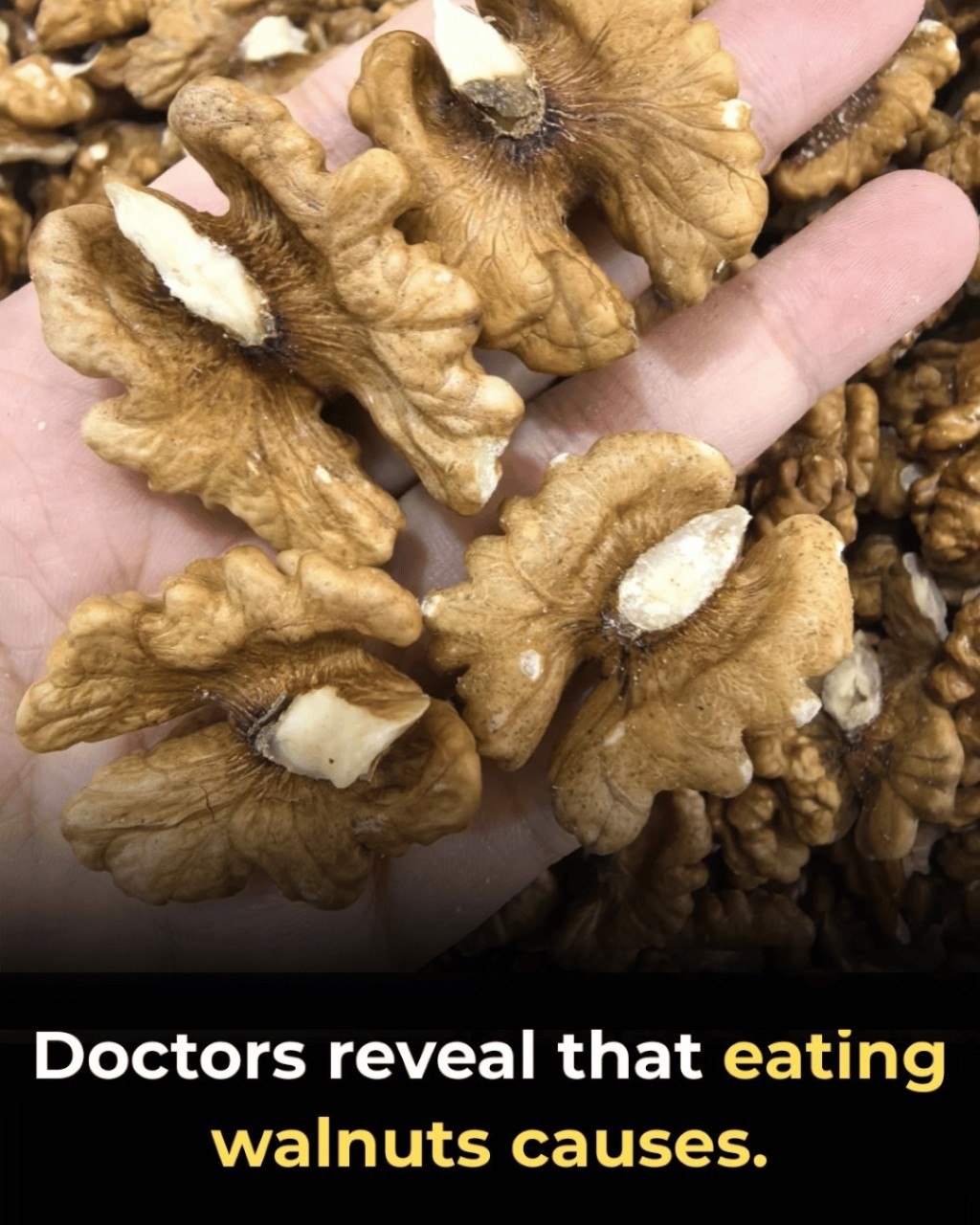
To eat the seed inside, the shell must be cracked open. Often, this process splits the kernel into two halves that resemble the shape of the human brain. The edible walnut is slightly wrinkled and covered by a thin brown skin that contains many beneficial antioxidants.

Like most nuts and seeds, walnuts can spoil if they are not stored properly. Keeping shelled walnuts in an airtight container inside the refrigerator can help prevent them from becoming rancid and extend their shelf life.

Both the walnut flesh and its thin skin are rich in antioxidants that contribute to many of the health benefits associated with this nutritious food.