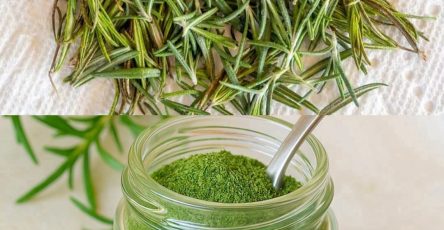
Scientists Reveal An Herb That Fights Off Dementia And Improves Memory

  1. Reduces stress

Did you know that rosemary has the power to minimize the cortisol levels in the body? Cortisol is the hormone associated with stress and rosemary will help you feel calmer. Interestingly, a study showed that when smelling some rosemary, nurses working under busy and stressful situations experienced less stress during tests than the nurses who did not smell the herb.

How to use it:

1. Rosemary for pain relief

Best use: topical massage oil

Simple rosemary pain oil
Mix:

  • 2 tablespoons olive oil, coconut oil, or almond oil
  • 3–5 drops rosemary essential oil
  • Optional: 2 drops peppermint or lavender essential oil

Massage into sore muscles, stiff neck, shoulders, knees, or lower back for 5–10 minutes, 1–2 times daily.

Rosemary contains compounds such as rosmarinic acid, carnosic acid, and 1,8-cineole, which are studied for anti-inflammatory, antioxidant, and analgesic activity. Evidence is supportive, but it should be framed as natural comfort support, not a cure.

Warm rosemary compress
Steep 1–2 teaspoons dried rosemary in hot water for 10 minutes. Soak a cloth, wring it out, and place over sore areas for 10–15 minutes.

Good for: muscle tension, mild joint stiffness, tired legs, and neck/shoulder tightness.

2. Rosemary for memory and focus

Best use: aroma/inhalation.

Focus ritual
Add 2–4 drops rosemary essential oil to a diffuser for 20–30 minutes while studying, writing, reading, or working.

Or crush fresh rosemary leaves between your fingers and inhale deeply for a few breaths.

A small human study found that exposure to rosemary aroma was linked with measurable 1,8-cineole absorption and better performance on some cognitive tasks. Another study also reported that inhaled rosemary oil affected alertness, mood, and physiological activity.

Rosemary study tea
Steep:

  • 1 teaspoon dried rosemary or 1 small fresh sprig
  • 1 cup hot water
  • Steep 5–8 minutes

Drink once daily, preferably in the morning or early afternoon.

3. Best combined routine

Morning: rosemary tea or rosemary aroma for focus.
Before work/study: diffuse rosemary for 20–30 minutes.
Evening: diluted rosemary massage oil on sore muscles or joints.

Safety notes

Do not ingest rosemary essential oil. Always dilute it before skin use. Avoid medicinal amounts of rosemary during pregnancy, and be cautious if you have epilepsy, very sensitive skin, or take blood-thinning/diabetes/blood-pressure medication. Rosemary as a culinary herb is generally different from using concentrated essential oil or strong extracts. Safety reviews note possible skin sensitivity and cautions with high medicinal use.