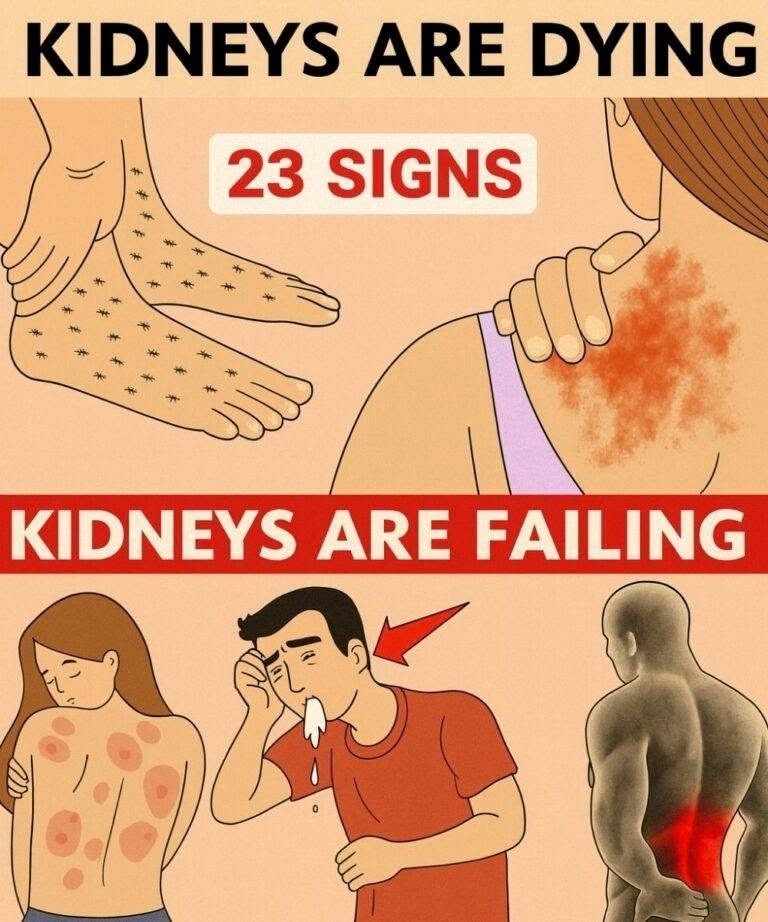
23 Strange Signs Your Kidneys Might Be in Trouble

Breathlessness can sometimes occur with kidney disease because of:

* anemia
* excess fluid
* associated heart problems

New or worsening shortness of breath should never be assumed to be kidney-related without proper evaluation.

## 20. Difficulty Sleeping

Sleep problems are common in people with chronic kidney disease.

Possible contributors include:

* itching
* restless legs
* cramps
* breathing problems
* discomfort

But insomnia itself is extremely common and nonspecific.

## 21. Feeling Cold More Often

Anemia associated with chronic kidney disease can sometimes make people feel unusually cold, even when others are comfortable.

Thyroid problems, low body weight, poor circulation, and other conditions can cause the same symptom.

## 22. High Blood Pressure That Becomes Harder to Control

The relationship between the kidneys and blood pressure works in both directions.

High blood pressure can damage the kidneys, while kidney disease can make blood pressure more difficult to manage.

A noticeable change in previously stable blood pressure may deserve further investigation.

## 23. Chest Pain or Pressure

Chest discomfort can occur in advanced kidney disease, but this is not a symptom to monitor casually.

Chest pain may be caused by serious heart, lung, or circulatory conditions.

Seek urgent medical care if chest pain is:

* sudden
* severe
* worsening
* accompanied by shortness of breath
* associated with fainting or heavy sweating

## The Most Important Sign May Be No Sign at All

One of the biggest misconceptions about kidney disease is that it always causes obvious symptoms.

Early chronic kidney disease often produces **no noticeable symptoms**.

This is why screening can be important for people with risk factors.

## Who Is More Likely to Develop Kidney Disease?

Risk is higher in people with:

* diabetes
* high blood pressure
* cardiovascular disease
* a family history of kidney disease
* previous kidney problems
* older age

Certain medications and other chronic illnesses may also affect kidney health.

## How Doctors Check Kidney Function

Kidney disease cannot be reliably diagnosed from symptoms alone.

Healthcare professionals commonly use:

### Blood Tests

Creatinine levels are used to estimate how effectively the kidneys filter the blood, often reported as **eGFR**.

### Urine Tests

Urine testing can detect albumin or other proteins that may indicate kidney damage.

One abnormal result does not always mean chronic kidney disease. Tests may need to be repeated over time.

## When to Contact a Healthcare Professional

Arrange medical evaluation if you experience persistent:

* swelling
* blood in the urine
* significant changes in urination
* unexplained fatigue
* recurrent nausea
* unexplained weight loss
* persistent foamy urine

Seek urgent medical attention for severe shortness of breath, chest pain, confusion, or a sudden major decrease in urine output.

## The Bottom Line

Kidney problems can produce a surprisingly wide range of symptoms, from swelling and urine changes to itching, cramps, appetite loss, fatigue, and difficulty concentrating.

But most of these symptoms are **not specific to kidney disease**, and early kidney disease may cause no symptoms at all.

If you have risk factors or persistent changes that concern you, simple blood and urine tests can provide much more reliable information about kidney function than symptoms alone.